ElastiK° Skin | Skin in Evolution™
DIABETES AND YOUR SKIN: WHAT GLP-1 USERS SHOULD KNOW
By Marc McKee, Founder of ElastiK° Skin
TL;DR: THE ESSENTIAL POINTS
- GLP-1 medicines are diabetes medicines too. Semaglutide is licensed as Ozempic for type 2 diabetes, and Mounjaro is licensed for both type 2 diabetes and weight management.1,2
- The skin can be an early warning sign. Cuts and wounds that take longer to heal, genital itching and repeated thrush are recognised symptoms of type 2 diabetes.3,4
- Feet come first. Diabetes can cause nerve damage that means you do not notice small injuries, which can then develop into infections or ulcers.5
- Check your feet every day and get a free annual foot check. Diabetes UK advises looking at your feet morning and night, and everyone with diabetes should have a foot check each year.6,7
- Some foot changes are urgent. New wounds, colour or temperature changes, or a cut that smells or leaks need your foot team within 24 hours.8
A lot of people in our community did not start a GLP-1 medicine for weight loss.
They started it for type 2 diabetes, and the weight loss came with it. Others started for weight and later learned their blood sugar was higher than they thought. World Diabetes Day is on 14 November,14 so this felt like the right week to talk about the skin side of diabetes, which rarely gets airtime.
If you have lived with diabetes for years, much of this will be familiar. It is written for people who are newer to it, or who use GLP-1 medicines and want to know what to keep an eye on.
The most important line in this article.
Skincare is about how skin looks and feels. Diabetes skin and foot care is about catching problems early. If anything below sounds like you, the person to tell is your GP, practice nurse or diabetes team, not a skincare brand.
This article covers the link between GLP-1 medicines and diabetes, how diabetes can show up in the skin, why the feet matter most, a simple daily routine, and when to get help.
01. GLP-1 MEDICINES AND DIABETES
Many people know these medicines only as weight-loss injections. They are also established treatments for type 2 diabetes.
- Semaglutide is licensed as Ozempic for adults with type 2 diabetes that is not well controlled, alongside diet and exercise.1 Wegovy contains the same active ingredient, licensed for weight management.9
- Tirzepatide, sold as Mounjaro, is licensed for type 2 diabetes and, separately, for weight management.2
- On the NHS, a GLP-1 agonist injection, usually given once a week, may be offered for type 2 diabetes if you have a history of heart disease, or if you are living with obesity and other treatments have not lowered your blood sugar enough.10
WHY THIS MATTERS FOR YOUR SKIN
Whether you take a GLP-1 medicine for diabetes or for weight, your skin goes through the same rapid change as the weight comes off. If you also have diabetes, there is an extra layer: the condition itself can affect your skin, nerves and how well small injuries heal.3,5
The medicine is the same. The skin advice is mostly the same. What changes with diabetes is how seriously you take a small cut on your foot.
02. HOW DIABETES CAN SHOW UP IN THE SKIN
None of these signs means you definitely have diabetes. They are reasons to speak to your GP, especially together.
| What you might notice | Why it matters | What to do |
|---|---|---|
| Cuts or wounds taking longer to heal | A recognised symptom of type 2 diabetes3,4 | See your GP if you think you might have diabetes |
| Genital itching or repeated thrush | A recognised symptom of type 2 diabetes3,4 | See your GP |
| Blisters or cracked skin on your feet | Can be the start of foot problems in people with diabetes11 | See your GP or diabetes nurse11 |
| Pain, tingling or numbness | Could be signs of nerve damage11 | See your GP or diabetes nurse11 |
| Problems with sweating | Can be a sign of nerve damage affecting automatic body functions5 | Mention it at your next review |
| Painful, swollen, hot skin that spreads | Could be cellulitis. Diabetes that is not well controlled is a risk factor12 | Get medical advice promptly. Call 999 if you also feel very unwell, confused or have a fast heartbeat12 |
IF YOU STARTED AN INJECTION PRIVATELY
Losing weight without trying is one of the main symptoms of type 2 diabetes, along with feeling very tired, peeing more than usual and feeling thirsty all the time.3 On a GLP-1 medicine, you are losing weight anyway, so that sign is hidden. If you recognise the others, mention them to your GP. The NHS advises seeing a GP if you think you may have type 2 diabetes or are at higher risk.3
03. WHY YOUR FEET MATTER MOST
THE NERVE PROBLEM
Diabetes UK describes loss of feeling in the feet, especially when you have not realised it has happened, as the main concern with nerve damage. Without feeling, you may not notice minor injuries, and if they are ignored they can develop into infections or ulcers.5
THE STAKES
The NHS lists foot problems such as ulcers and infections among the long-term complications of type 2 diabetes, and notes they can sometimes lead to amputation.11 That sounds frightening, and it is meant to. It is also why simple daily checks make such a difference.
YOUR ANNUAL FOOT CHECK
Everyone with diabetes should have a foot check every year as part of their annual review, and it is free on the NHS.6 If you have not had one, ask your GP practice.
Weight loss can make this easier, not harder.
As weight comes off, many people find it easier to reach and see their own feet. Use that. If you still struggle, Diabetes UK suggests using a mirror.7
04. A SIMPLE DAILY FOOT AND SKIN ROUTINE
This is based on Diabetes UK's foot care advice.7 Your own diabetes team may give you different instructions, and theirs come first.
EVERY DAY
- Look at your feet before you put your socks on in the morning and before bed. If anything has changed, see a healthcare professional as soon as possible.7
- Wash them daily with soap and warm water, checking the temperature with your wrist or elbow first. Do not soak your feet, as this can damage the skin.7
- Moisturise with an emollient cream, ideally one with a urea base, but not between your toes.7
- Check your shoes for anything inside or anything sharp through the sole, and avoid shoes or socks that are too tight, too loose or rub.7
REGULARLY
- Cut your toenails often, but not too short or down the sides.7
- Keep your annual foot check.6
FOR THE REST OF YOUR SKIN
Short, lukewarm showers rather than long hot ones, and avoiding soaps and foaming washes, are good habits for dry, itchy skin generally.13 Moisturise straight after washing, while skin is still slightly damp.
When it is urgent.
Diabetes UK says to see your local foot team urgently, within 24 hours, if you notice changes in the colour or shape of your feet, part of your foot feeling much colder or hotter than usual, new blisters, cuts or wounds, a cut that smells or is leaking fluid or pus, or new unexplained pain. Take the weight off the foot and contact your GP or foot protection team straight away, or your nearest out-of-hours service.8 If you have a foot infection and develop signs of sepsis, such as confusion, difficulty breathing or a very fast heartbeat, call 999.8
05. WHERE SKINCARE FITS
I want to be careful here. ElastiK° products are cosmetics for the look and feel of skin going through rapid change. They are not diabetes foot products, and they are not for broken skin, wounds or ulcers. For your feet, use what your diabetes team recommends.
Where our routine can help is the rest of your body skin, which is changing as the weight comes off, whatever the reason you started treatment. Both products below contain fragrance, so if your skin is sensitive, try a small area first.

HYDRATION CONTINUUM GEL
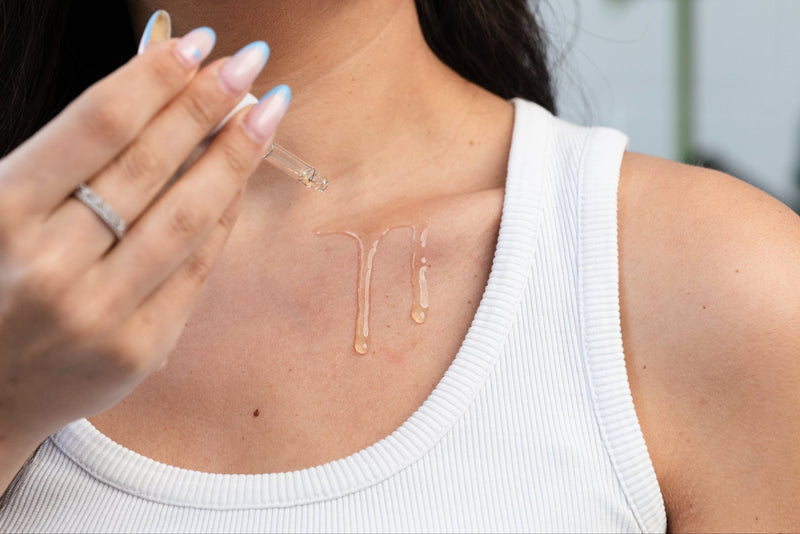
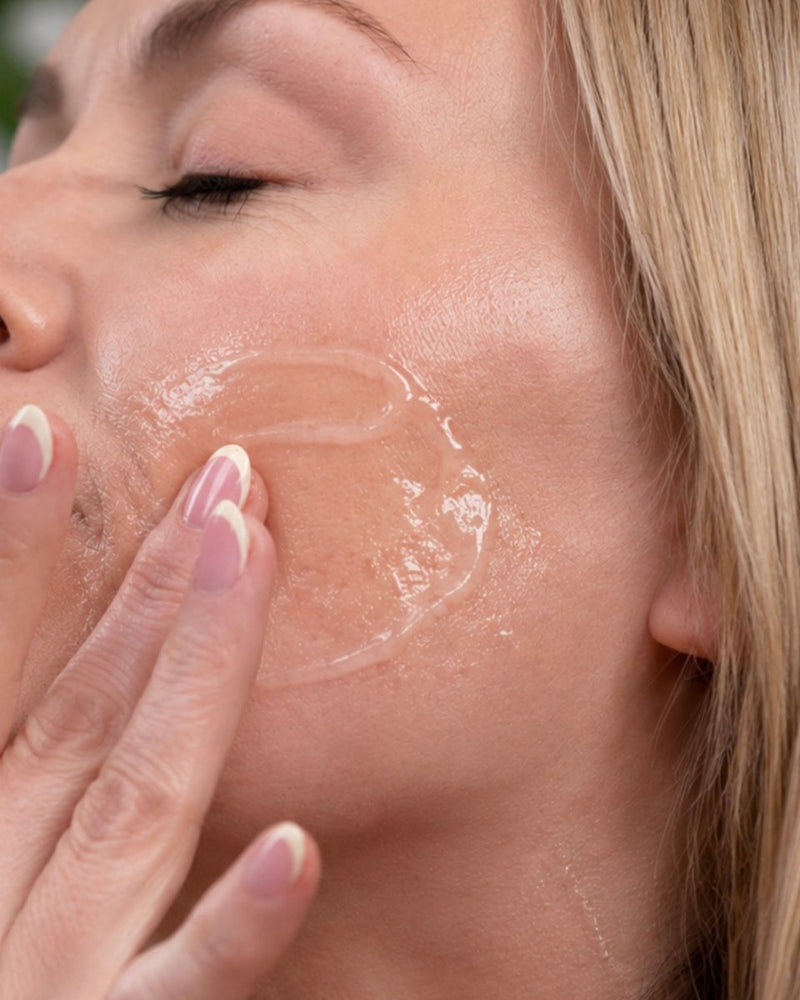
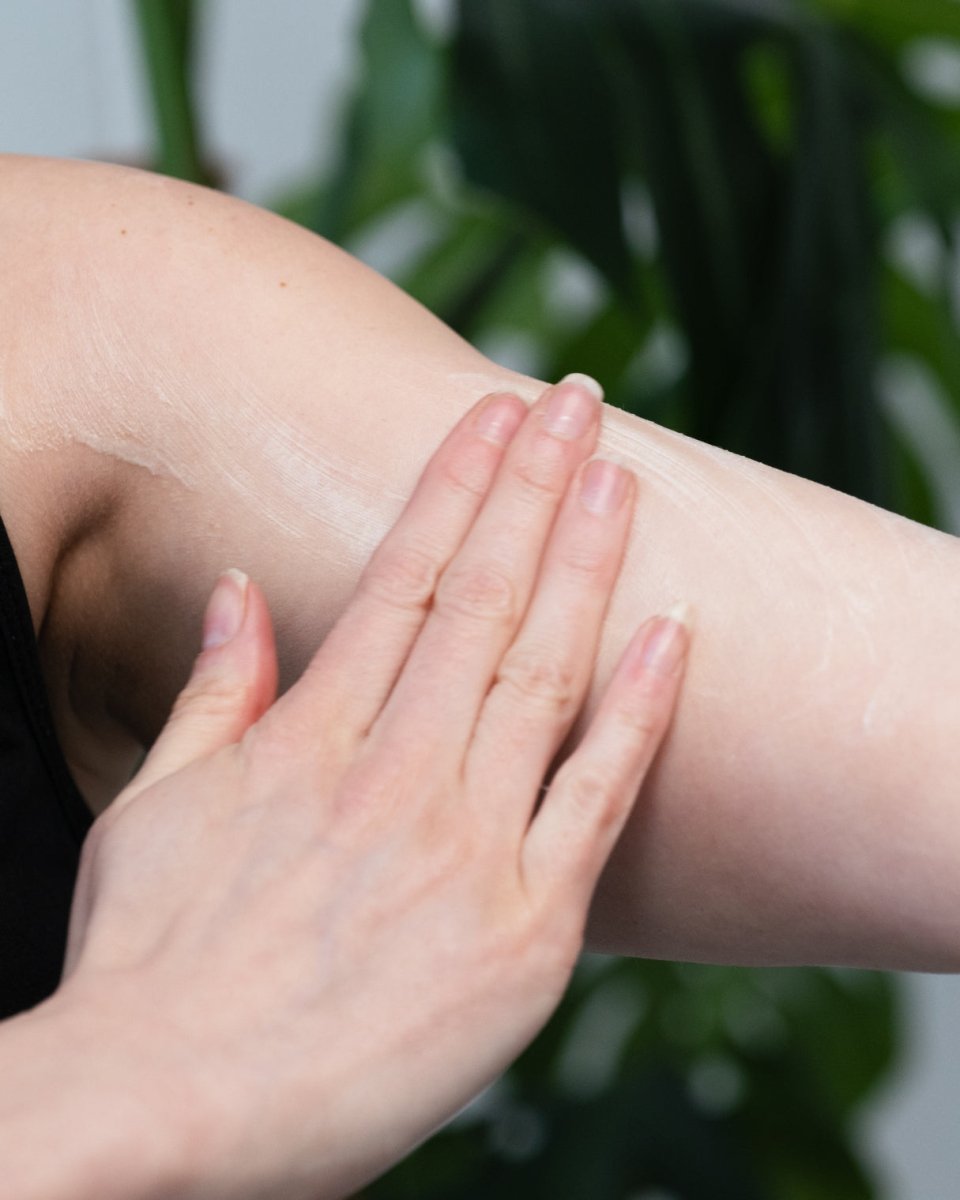
Two forms of hyaluronic acid with sodium PCA and aloe leaf juice, applied after your morning shower to the face, neck, décolletage and arms, to help skin feel hydrated.
Whatever the reason you started treatment, skin on the face, arms and body changes as the weight comes off. A light hyaluronic acid gel straight after your shower is a quick first layer that helps that skin feel hydrated. It is for intact skin, not for feet, cracks or wounds.

REGENESIS COMPLEX
A lightweight peptide serum for body skin that feels less firm, such as the stomach, arms and thighs. A small amount is enough. Not for use on broken skin.
It is made for body areas where skin feels less firm as weight comes off, such as the stomach, arms and thighs, and a small amount goes a long way. Keep it off broken skin, and follow your diabetes team's advice for your feet.
In our own pre-launch trial, 11 participants used the routine for six weeks. All 11 said their skin felt more hydrated, and 9 of 11 said it felt more comfortable. It was a small trial and did not look specifically at people with diabetes. You can read how we ran it.
06. FAQ
DOES DIABETES CAUSE DRY SKIN?
Diabetes can affect the nerves that control sweating, and Diabetes UK's foot care advice includes a daily emollient for the feet.5,7 If dry, itchy or cracked skin does not settle with regular moisturising, mention it to your GP or diabetes nurse.
WHY IS MY SKIN ITCHY WITH DIABETES?
Genital itching and repeated thrush are recognised symptoms of type 2 diabetes.3,4 Itching all over without a rash is most often caused by dry skin.13 Either way, persistent itching is worth raising with your GP.
IS OZEMPIC A DIABETES MEDICINE?
Yes. Ozempic is licensed for adults with type 2 diabetes that is not well controlled.1 Wegovy contains the same active ingredient, semaglutide, and is licensed for weight management.9
SHOULD I PUT MOISTURISER BETWEEN MY TOES?
No. Diabetes UK advises moisturising your feet daily, but not between your toes.7
HOW OFTEN SHOULD MY FEET BE CHECKED?
Check them yourself every morning and evening, and have a professional foot check at least once a year as part of your diabetes review.6,7
WHEN IS A FOOT PROBLEM AN EMERGENCY?
New wounds, blisters, colour or temperature changes, new pain, or a cut that smells or leaks need your foot team within 24 hours. Signs of sepsis need 999.8
RELATED ARTICLES FROM THE SKIN JOURNAL
SOURCES
All sources checked in October 2026.
-
Novo Nordisk Limited. Ozempic 1 mg solution for injection in pre-filled pen: Summary of Product Characteristics (section 4.1). electronic medicines compendium (emc), last updated 28 July 2026.
Read the source on emc -
Eli Lilly and Company Limited. Mounjaro KwikPen 5mg solution for injection in pre-filled pen: Summary of Product Characteristics (section 4.1). emc, last updated 8 September 2026.
Read the source on emc -
NHS. Symptoms: Type 2 diabetes. NHS website, page last reviewed 10 February 2025.
Read the source on the NHS website -
Diabetes UK. Diabetes signs and symptoms. Diabetes UK, last reviewed 22 June 2026.
Read the source on Diabetes UK -
Diabetes UK. Diabetic neuropathy (nerve damage). Diabetes UK, last reviewed 8 November 2024.
Read the source on Diabetes UK -
Diabetes UK. Diabetes and foot problems. Diabetes UK, last reviewed 28 November 2024.
Read the source on Diabetes UK -
Diabetes UK. How to look after your feet. Diabetes UK, last reviewed 22 November 2024.
Read the source on Diabetes UK -
Diabetes UK. Signs of serious foot problems and foot infections. Diabetes UK, last reviewed 24 December 2024.
Read the source on Diabetes UK -
Novo Nordisk Limited. Wegovy 0.25 mg FlexTouch solution for injection in pre-filled pen: Summary of Product Characteristics. electronic medicines compendium (emc), last updated 22 September 2026.
Read the source on emc -
NHS. Treatment: Type 2 diabetes. NHS website, page last reviewed 10 February 2025.
Read the source on the NHS website -
NHS. Complications: Type 2 diabetes. NHS website, page last reviewed 10 February 2025.
Read the source on the NHS website -
British Association of Dermatologists. Cellulitis and erysipelas: patient information leaflet. Skin Health Info, updated April 2026.
Read the source -
British Association of Dermatologists. Pruritus (itching): patient information leaflet. Skin Health Info, updated December 2025.
Read the source -
International Diabetes Federation. About World Diabetes Day. World Diabetes Day website, accessed October 2026.
Read the source
This article is general information, not medical advice. ElastiK° products are cosmetics and support the appearance of skin; they do not treat medical conditions.